
A recent autism diagnosis for your child brings a mix of emotions: concern, uncertainty, and a strong desire to find the best support for your child’s development.
As you research therapy options, you’ve probably come across the term “ABA therapy” and want to know everything it involves to determine whether it’s right for your child.
At The Portia Learning Centre, we’ve been supporting families across Ontario since 2006, helping children reach their full potential through compassionate, evidence-based therapy.
In this guide, we’ll demystify ABA therapy, address common misconceptions, and help you understand how this proven approach can support your child’s growth.
Table of Contents
What Is ABA Therapy?
Applied Behaviour Analysis (ABA) is a scientific approach to understanding and improving behaviour by focusing on learning principles and positive reinforcement.
Rather than simply treating symptoms, ABA examines how behaviour works, why it happens, and how it can be shaped through structured teaching methods.
At its core, ABA is the science of learning. It’s a systematic way of breaking down complex skills into manageable steps, making it easier for children to master everything from communication and social interactions to daily living skills and emotional regulation. ABA therapy is evidence-based and widely recognised by organisations, including the Canadian Psychological Association and Autism Ontario.
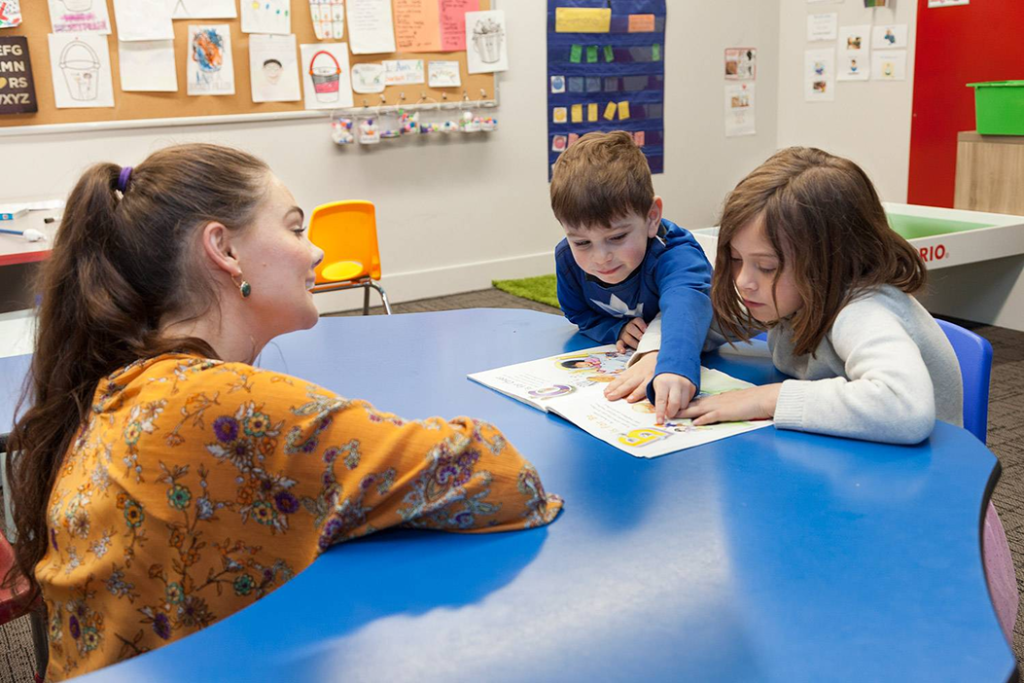
Modern ABA, particularly as practised at centres like Portia Learning, looks very different from outdated approaches. Today’s ABA therapy is play-based, child-led, and focused on creating meaningful learning opportunities in natural environments.
How ABA Therapy Works

ABA therapy operates on a simple but powerful principle: behaviours that are reinforced are more likely to be repeated.
By identifying what motivates your child and using positive reinforcement strategically, therapists can help children develop new skills and reduce challenging behaviours.
The entire process involves breaking down skills into small, achievable steps.
For example, if a child is learning to ask for items, a Behaviour Analyst might separate this into the following steps:
- Reaching toward a desired object
- Making eye contact
- Using words or signs
- Forming complete sentences.
Typical focus areas in ABA therapy include:
- Communication skills: From first words to conversational abilities
- Social skills: Turn-taking, sharing, making friends, and understanding social cues
- Self-help skills: Dressing, toileting, and other daily routines
- Feeding therapy: Modify behaviours, reduce anxiety, and expand food variety through consistent, data-driven support.
- Academic skills: Pre-literacy, numeracy, and therapist-led tutoring
- Emotional regulation: Identifying and managing feelings appropriately
Did You Know? ABA therapy is recognised by the Public Health Agency of Canada as a key evidence-based intervention for children with autism spectrum disorder (ASD).
The Benefits of ABA Therapy for Children

Families who engage with ABA therapy often see meaningful progress across multiple areas of their child’s development.
In fact, the benefits extend far beyond the therapy room, creating positive changes that ripple through every aspect of family life.
Here are some of the key benefits:
1. Improved Communication and Social Engagement:
Children develop the tools to express their needs, form friendships, and navigate social situations with greater confidence.
2. Increased Independence:
As children improve their self-help skills, they gain autonomy and confidence in their daily routines.
3. Reduction in Challenging Behaviours
Through positive strategies and understanding the purpose of behaviours, children learn better ways to communicate their needs and manage frustration.
4. Family-Wide Benefits
Parents and siblings gain a better understanding of how to support their child’s development, leading to improved family dynamics and reduced stress.
According to the 2019 Canadian Health Survey on Children and Youth, 1 in 50 children aged 1-17 in Canada have been diagnosed with autism spectrum disorder (ASD). Early diagnosis of ASD and access to support (like ABA) can significantly improve long-term outcomes [1].
What Happens in an ABA Session?
Many parents wonder what actually occurs during an ABA therapy session.
While every child’s program is unique, there’s typically a consistent structure that ensures progress is measured and goals are achieved.
Initial Assessment
Before therapy begins, a Board-Certified Behaviour Analyst (BCBA) or Registered Behaviour Analyst (RBA) conducts a comprehensive ABA assessment to understand your child’s current skills, challenges, and interests.
Individualised Programming
Based on the assessment, a customised treatment plan is developed that targets your child’s specific needs and builds on their strengths.
Therapy Sessions
During sessions, Behaviour Therapists work one-on-one with your child (or in small groups for social skills) using play-based teaching methods.
A session might involve:
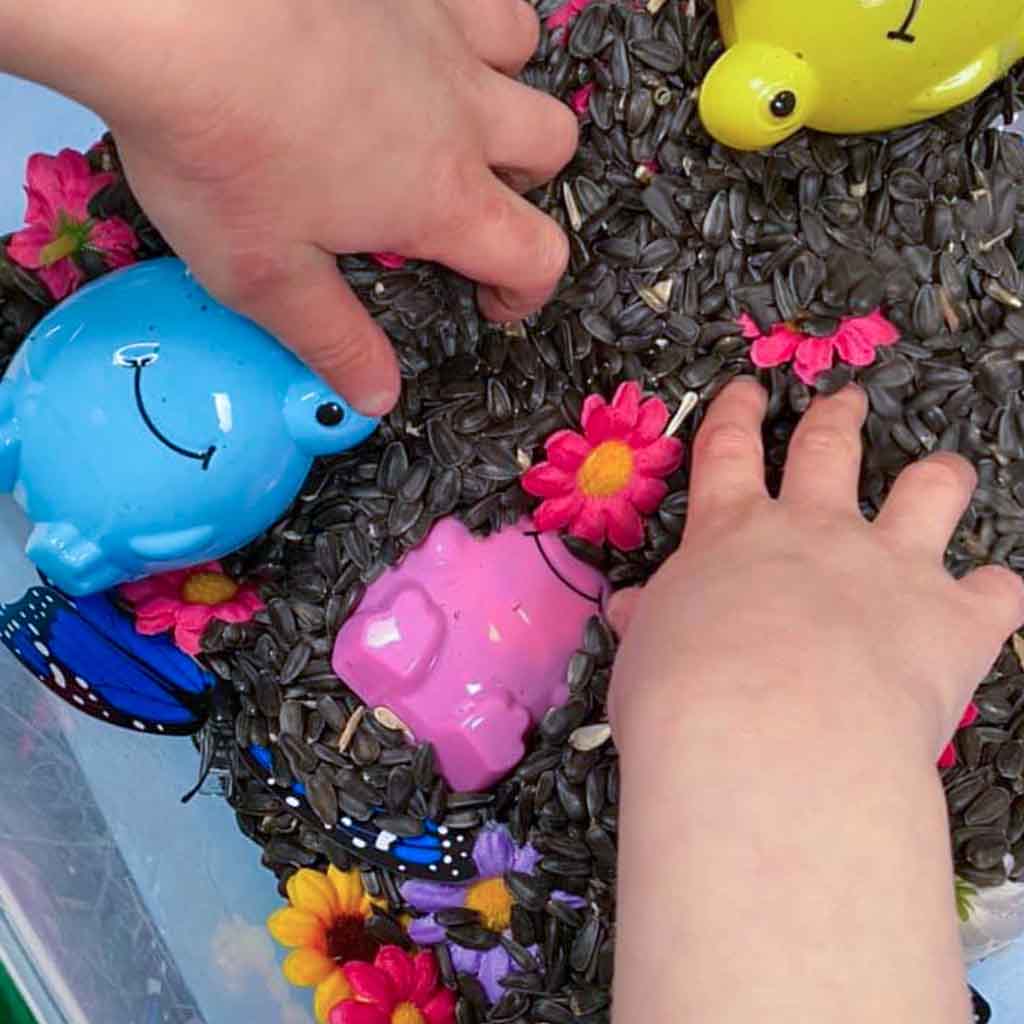
- Playing with toys while teaching turn-taking and sharing
- Practising naming objects or requesting items during preferred activities
- Working on following instructions through fun games
- Labelling emotions using books, videos, or role-play
Data Collection
Throughout each session, therapists carefully track your child’s progress using our own Portia ABA Clinic Software, noting successes and areas needing additional support.
Progress Review
Regular meetings with your family ensure everyone stays informed about progress and any adjustments to the program.
What sets quality ABA apart is that sessions feel natural and engaging.
At The Portia Learning Centre, we believe in meeting children where they are and embedding learning opportunities into activities they already enjoy.
ABA Funding for Parents in Ontario
One of the first questions many families have is: “How will we afford this?”
Navigating this can feel overwhelming, but there are several funding options to help Ontario families access ABA therapy.
Ontario Autism Program (OAP)
The Ontario Autism Program provides funding for core clinical services, including ABA therapy, for children and youth diagnosed with autism.
Private Insurance:
Many extended health benefit plans cover ABA therapy, particularly when services are supervised by a psychologist, allowing many families to use private insurance to pay for ABA therapy in Ontario.
Disability Tax Credit:
Families may be eligible for a Disability Tax Credit, which can provide financial relief. Additionally, you may be able to claim ABA therapy expenses as a medical expense tax credit.
Other Funding Sources:
Various community organisations and charities may provide grants or financial assistance for therapy services.
Family Involvement: Coaching & Collaboration
One of the most important aspects of successful ABA therapy is family involvement.
At The Portia Learning Centre, parent support and guidance are cornerstones of our approach. We don’t just work with your child; we work with your entire family.
Our family coaching program empowers parents to:
- Understand the principles behind ABA strategies
- Implement techniques consistently at home
- Handle challenging behaviours with confidence
- Celebrate progress and stay motivated
We also provide families with practical ABA resources and printable materials that make it easier to continue learning at home.
Our founding philosophy has always been clear: “Families deserve real, practical support from professionals who care.”
Is ABA Therapy Right for My Child?
ABA therapy can benefit children with a range of needs, not just autism.
Many families come to us with children experiencing developmental delays, language difficulties, social skill challenges, or behavioural concerns, even without an autism diagnosis.
In fact, here are the most common misconceptions about ABA:
ABA is Rigid and Robotic
Modern ABA, especially as practised at The Portia Learning Centre, is play-based and child-led. We focus on making learning engaging and meaningful.
ABA is Only About Compliance
Quality ABA celebrates children’s autonomy and individuality, while teaching skills to increase independence and communication.
ABA Programs Are All The Same
Every child’s program is completely individualised based on their unique needs, interests, and learning style.
Further, ABA therapy has evolved significantly over the decades. At The Portia Learning Centre, we’ve been at the forefront of this evolution, embracing holistic teaching methods and compassionate care since 2006.
Getting Started with ABA Therapy

If you’re ready to explore whether ABA therapy is right for your child, we offer free developmental screenings to help you understand your child’s needs and determine the best path forward.
Here’s what to expect:
- Initial Contact: Book a free screening or complete our intake form.
- Assessment: We’ll schedule and conduct a comprehensive evaluation to understand your child’s strengths and areas for growth.
- Personalised Plan: Based on the assessment, we’ll develop individualised treatment recommendations.
- Funding Support: We’ll help you explore available funding options (insurance coverage and/or the OAP) and navigate the system.
- Begin Services: Once everything is in place, your child can begin their therapy journey with our experienced, caring team.
Whether your child has an autism diagnosis or you simply have concerns about their development, we’re here to support you.
With locations across Ottawa and in the Whitby area, The Portia Learning Centre has been a trusted community partner for nearly two decades.
Ready to take the next step? Book your free screening today and discover a partner who will be with you every step of the way.