

You know what your child needs. You just need help getting there.
Maybe mornings are a battle. Brushing teeth ends in tears: yours and theirs. Getting dressed takes 45 minutes on a good day. And some days, just getting through a basic routine takes everything you have.
You are not failing. These are real challenges, and they deserve real support.
At Portia, we have been helping families like yours every single day since 2006.
What Are Life Skills & Why Are They Important?
Life skills (also called “daily living skills”) are the practical abilities your child needs to move through the world with confidence.
For many children, these skills develop naturally over time. But for children with autism or developmental challenges, any number of things can get in the way.
Sometimes it is a developmental delay; the motor skills simply are not there yet. Sometimes it is a sensory-processing challenge: the toothbrush feels unbearable, or the dryer sounds terrifying. And sometimes it is an interfering behaviour; a rigid routine or a fear of transitioning into the bathroom that stops the whole process before it even starts.
That is why our daily life skills program is not just about teaching a task. It’s about understanding why your child is struggling and building a path forward that respects their individual needs.
Did you know? Recent data from the Public Health Agency of Canada shows autism prevalence among Canadian children and youth has risen to 1 in 44 as of 2023–2024. Further, Statistics Canada’s 2022 Canadian Survey on Disability reports that 20% of Canadian youth now have a disability. Programs supporting real-world skill development have never been more important.
Core Life Skills We Teach in Our Ontario ABA Programs
- Dressing
- Grooming
- Eating
- Toileting
- Cleaning
- Managing Transitions
- Following Checklists
- Daycare & School Routines

How Our Life Skills Program Works
Our clinical team gets to know your child: their strengths, challenges, sensory profile, and what daily life at home looks like. From there, we determine whether a comprehensive or focused program is the right fit.
We always ask, “What skill would make the biggest difference in your child’s life right now?”
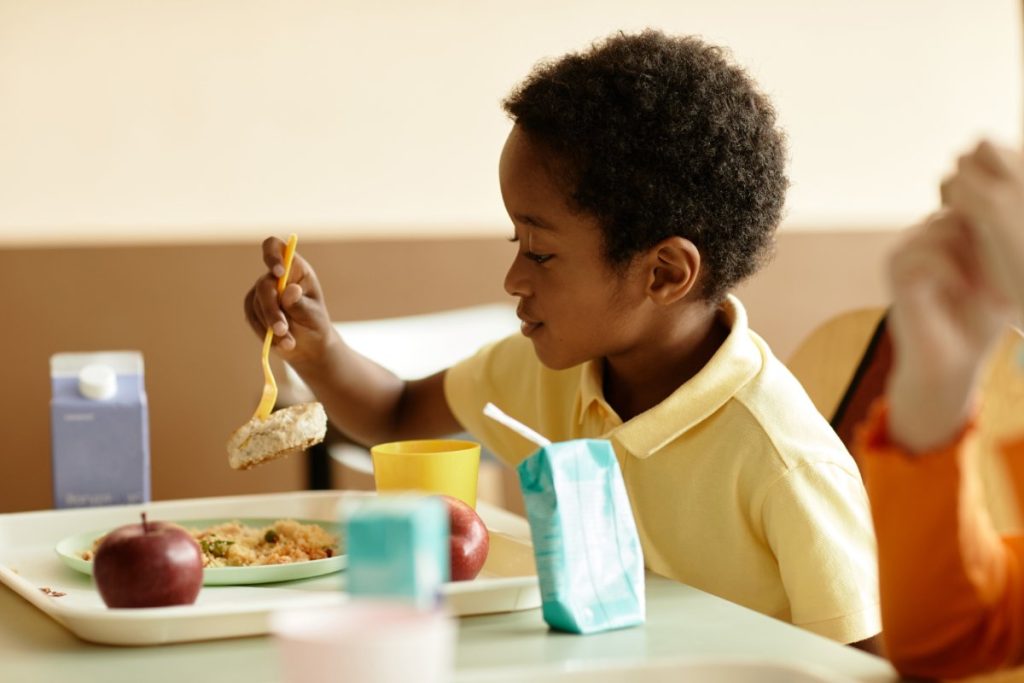
Real Examples of Life Skills
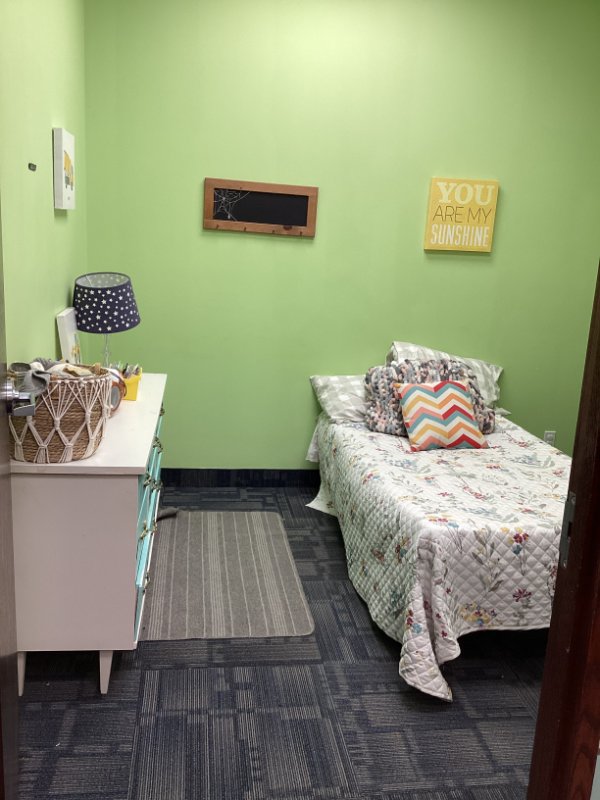
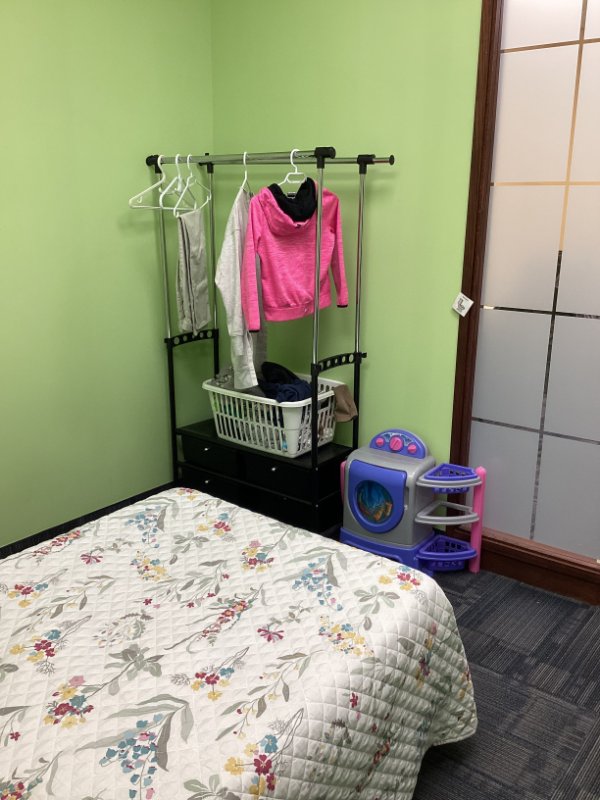
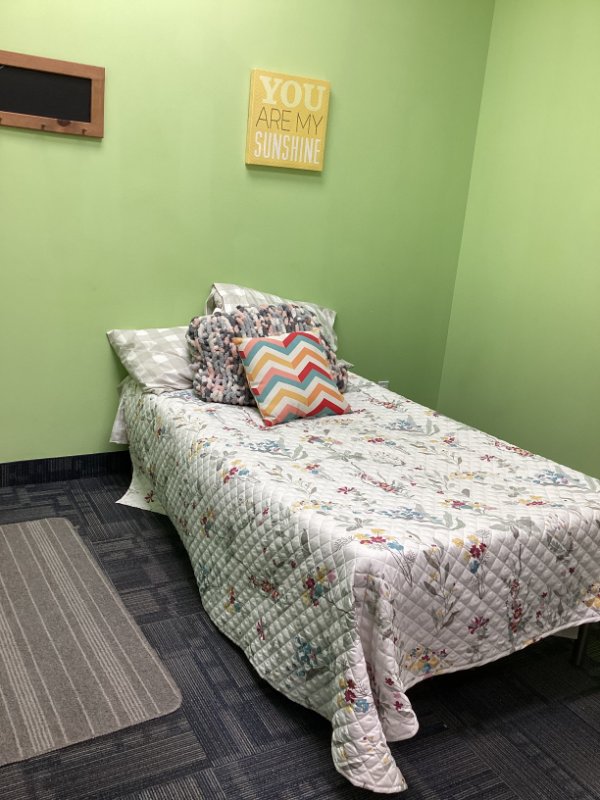
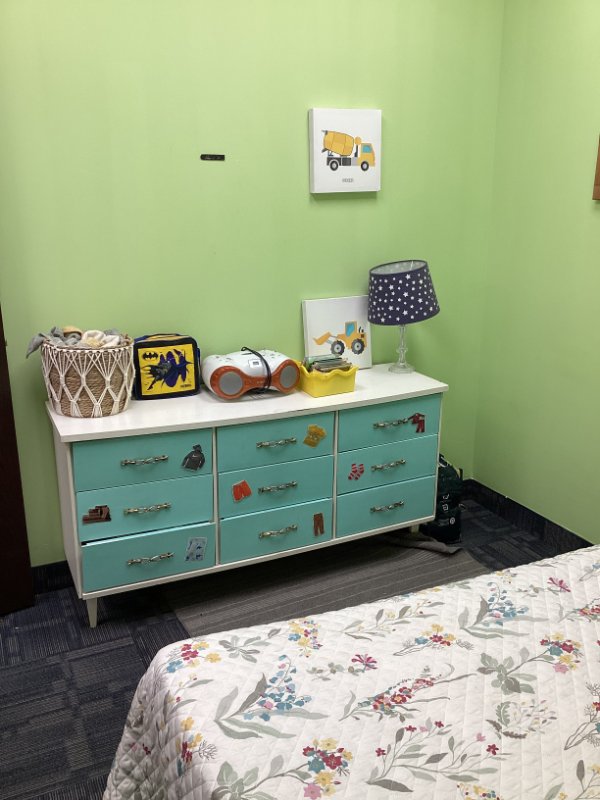
Our clinics are designed to feel like real environments. Locations can include:
- Play areas: mock kitchens, bedrooms, mini laundry machines
- Classrooms for simulating daycare & school routines
- Rotating theme areas: Pretend grocery stores & cafés to practise routines through play
In our ABA programs, a toddler might learn to put their toys away, while a teenager might build the independence needed for school, community participation, or post-secondary education.
We have celebrated first haircuts, first independent meals, and the moment a child finally brushes their teeth without tears. These milestones matter tremendously to your child, and to you.
The Portia Learning Centre Approach
At Portia, life skills are not an add-on. They are built into every child’s program across all Ontario locations: Kanata, Nepean, Ottawa East, and Whitby.
We prioritize goals that meaningfully improve daily life at home, school, and in the community.
Every child receives an individualized assessment that examines three key areas:


We do not assume every child who cannot brush their teeth has the same problem. We find out why and build the program around what that specific child needs.
Expert Team
Our Life Skills services are provided by highly qualified professionals with specialized expertise:


Frequently Asked Questions
If daily routines are consistently challenging or creating significant family stress, structured support can help. You do not need a formal diagnosis to start a conversation with us.
We work with children ages 2 to 18, with most of our learners falling in the 4 to 10 age range. For younger children, learning is play-based and engaging. As children grow, the focus shifts toward practical, real-world independence skills tailored to their developmental stage.
It depends on your child and the intensity of treatment. Families should expect at least six months, with some children benefiting from years of support. Progress is tracked continuously, and programs adjust as your child grows.
Yes, Ontario Autism Program (OAP) funding is available, and private healthcare benefits can often be applied to our psychologist-supervised programs. We also offer consultative sessions for families seeking flexible options. Learn more about funding & financial help.
Take the Next Step Toward Your Child’s Independence
Whether your child is two or eighteen, newly diagnosed or years into their journey, we’re here to help them build the skills that matter most and to walk alongside your family every step of the way.
Your child’s independence is within reach. Let’s take the first step together.
Take the First Step
Your child’s potential is within reach.
Together, let’s take the first step toward meaningful progress.
