
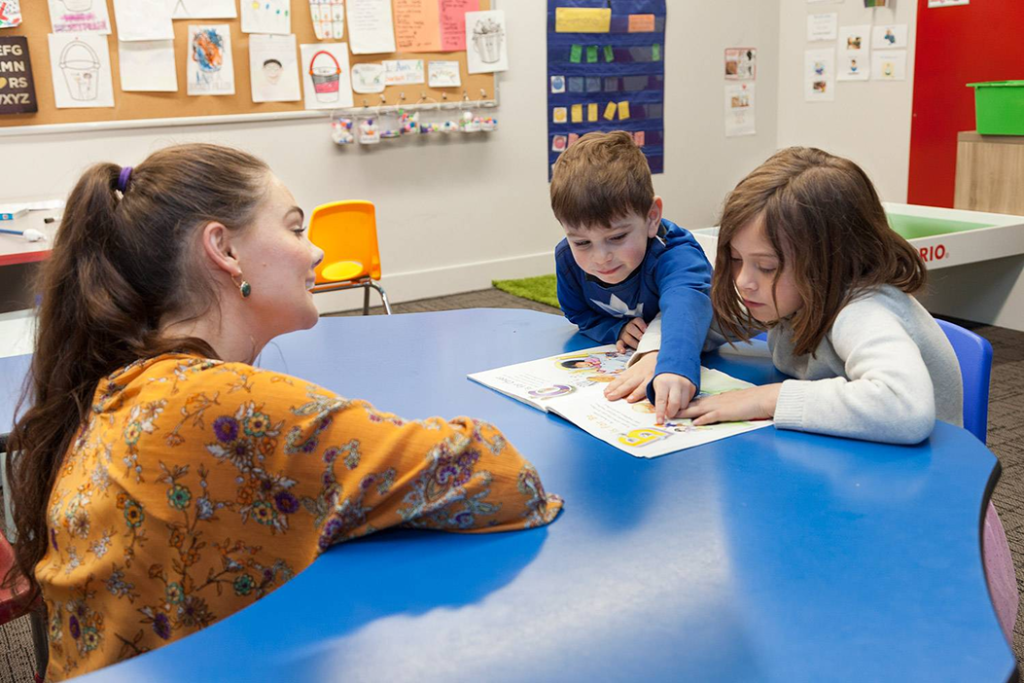
At The Portia Learning Centre, we understand that beginning the assessment process can feel overwhelming for families. Whether you are exploring services for the first time, seeking answers about your child’s development, or preparing to begin ABA therapy, our goal is to make the process supportive, collaborative, and family-centred.
Assessments are an important first step in understanding your child’s unique strengths, learning style, communication abilities, and support needs. Most importantly, assessments help us build individualized programming that is meaningful, compassionate, and focused on helping your child thrive.
Table of Contents
What Is an ABA Assessment?

An ABA assessment is a process used to better understand your child’s current skills, developmental profile, communication abilities, learning style, social skills, life skills, adaptive functioning, and any areas where additional support may be needed.
Assessments help answer important questions such as:
- What skills is my child already demonstrating?
- What skills are emerging?
- What learning strategies may work best?
- What supports may help my child succeed?
- Are there barriers affecting learning, communication, or independence?
- How can we build on my child’s strengths?
At Portia, assessments are never about “passing” or “failing.” Instead, they are designed to help us understand your child as an individual and create goals that are realistic, meaningful, and functional for daily life.
Why Are Assessments Important?
Assessments provide the foundation for individualized programming.
Without assessment information, therapy goals may not accurately reflect your child’s strengths, priorities, or developmental needs. Assessments help ensure that therapy is:
- Individualized
- Evidence-informed
- Developmentally appropriate
- Meaningful for the child and family
- Focused on functional progress
Assessments also allow us to:
- Track progress over time
- Identify new goals as skills develop
- Monitor changes in communication, learning, and behaviour
- Adjust therapy approaches when needed
- Collaborate with families and other professionals more effectively
Most importantly, assessments help us ensure that the supports we provide remain relevant and meaningful as your child grows and develops.
What Is the Portia Clinical Screening?

The Portia Clinical Screening is one of the first steps in our intake and assessment process.
This screening is designed to help our clinical team better understand:
- Your child’s current developmental profile
- Communication and social skills
- Learning readiness
- Play and interaction skills
- Behavioural support needs
- Emotional regulation and cooperation skills
- Areas of strength and interest
- Recommended therapy placement and intensity
The screening includes:
- Play-based observation
- Parent discussion and intake information
- Informal interaction and skill observation
- Observation across different activities and environments
- Identification of foundational learning skills
Our clinical screenings are designed to feel supportive and engaging for children. We prioritize building comfort, rapport, and positive interactions while gathering clinically meaningful information.
What Types of Assessments May Be Used?
Every child is different. Your child’s clinical team will select assessment tools that best fit their developmental level, communication profile, and support needs.
Developmental Assessments
These assessments help us understand how your child is developing across different areas, such as:
- Communication
- Social skills
- Daily living skills
- Motor skills
- Emotional development
Examples may include:
- DP-4 (Developmental Profile – Fourth Edition)
- ABAS-3 (Adaptive Behaviour Assessment System)
These assessments help us understand how your child’s development compares to age-based expectations and identify areas where additional support may be beneficial.
Skill-Based Assessments
These assessments help identify specific learning skills and areas for growth.
Examples may include:
- ABLLS-R (Assessment of Basic Language and Learning Skills – Revised)
- VB-MAPP (Verbal Behaviour Milestones Assessment and Placement Program)
- EFL (Essentials for Living)
- AFLS (Assessment of Functional Living Skills)
- ESDM (Early Start Denver Model Assessment)
- PEAK (Promoting the Emergence of Advanced Knowledge)
These tools help guide individualized programming goals and identify meaningful next steps for learning.
Behaviour Assessments
Some children may also participate in behavioural assessments to help us better understand:
- Why challenging behaviours may be occurring
- What triggers may be involved
- What skills may help reduce frustration or dysregulation
- How to support communication and emotional regulation more effectively
Behaviour assessments focus on understanding behaviour with compassion and identifying supportive interventions that improve the quality of life for the child and family.
What Happens During the Assessment Process?

Assessments may include:
- Parent interviews and questionnaires
- Review of previous assessments
- Interviewing teachers or reviewing report cards
- Play-based interactions
- Direct skill observation
- Structured teaching activities
- Observation of communication and social interaction
- Behavioural observations
- Review of previous reports or documentation
Many assessment activities look similar to play or structured interaction rather than formal testing.
Our clinicians work hard to ensure the process feels supportive, engaging, and positive for children and families.
We understand that children show their skills in different ways, and we adapt our approach to meet each child where they are.
How Long Does the Assessment Process Take?
The length of the assessment process varies depending on your child’s age, communication abilities, learning profile, assessment needs, and the complexity of the information being gathered.
While every child is different, a comprehensive assessment typically involves multiple components, including direct assessment sessions, parent interviews, review of information from other professionals, analysis of results, report writing, and a feedback meeting with the family.
The assessment process may include:
- Direct assessment and observation sessions with your child (typically completed across multiple sessions)
- A parent or caregiver interview to better understand your child’s history, strengths, challenges, and family priorities
- Review of previous reports and relevant documentation
- Consultation with other professionals involved in your child’s care, such as teachers, psychologists, speech-language pathologists, or occupational therapists (when appropriate and with consent)
- Scoring and interpretation of assessment results
- Development of individualized recommendations and treatment goals
- Preparation of a written assessment summary and/or behaviour service plan
- A feedback meeting to review results, answer questions, and discuss next steps
Depending on your child’s needs and the scope of the assessment, the process may range from approximately 10 to 22 hours in total.
Following completion of the assessment, families typically meet with the clinical team within 1–2 weeks to review the results, recommendations, and proposed goals.
Throughout the process, our goal is not simply to gather information, but to develop a comprehensive understanding of your child’s strengths, support needs, and learning profile so that recommendations are meaningful, individualized, and relevant to everyday life.
What Happens After the Assessment?
Once the assessment is complete, your clinical team will:
- Review the results with you
- Discuss strengths and support needs
- Develop individualized treatment goals
- Make recommendations regarding therapy intensity and programming
- Answer questions and discuss next steps
Families receive assessment summaries and recommendations electronically and are welcome to share them with other professionals involved in their child’s care.
How Are Parents Involved?

Parents are an essential part of the assessment process.
At Portia, we value collaboration and family input throughout assessment and treatment planning. Parents provide important insight into:
- Daily routines
- Communication strengths and challenges
- Behaviour patterns
- Family priorities
- School concerns
- Social and emotional development
Your priorities help guide the development of meaningful goals and ensure that programming focuses on what matters most to your family.
Assessment Is an Ongoing Process
While formal assessments are typically completed upon intake and updated annually, assessment at Portia is not limited to these scheduled evaluation periods.
One of the unique strengths of ABA is that progress is measured continuously through ongoing data collection and clinical observation. During therapy sessions, our clinical team monitors your child’s progress, skill acquisition, learning patterns, and response to intervention.
As your child develops new skills, demonstrates readiness for more advanced goals, or encounters challenges that require additional support, programming is adjusted accordingly. Goals may be added, modified, mastered, or replaced throughout the year based on your child’s individual progress.
Our clinicians regularly review:
- Progress monitoring data
- Skill acquisition rates
- Behavioural trends
- Parent feedback
- Clinical observations
- Changes in home, school, or community environments
Formal reassessments provide an opportunity to take a broader look at your child’s overall development and compare progress over time, while ongoing assessment ensures therapy remains responsive, individualized, and meaningful throughout the year.
This means that your child’s programming is continuously evolving as they learn and grow.
Assessment Is a Strengths-Based Process
At Portia, assessments are designed to identify strengths as well as areas where additional support may be beneficial.
While assessments help us identify skill gaps and learning opportunities, they also help us understand:
- What motivates your child
- How your child learns best
- Existing strengths and interests
- Preferred ways of communicating
- Social and emotional strengths
- Areas of independence and success
By understanding both strengths and support needs, we can create programming that builds confidence, encourages meaningful participation, and supports long-term success.
We believe children learn best when intervention is built upon their existing abilities, interests, and accomplishments.
Frequently Asked Questions
Will my child know they are being assessed?
Many children experience the assessment process as structured play, interaction, and learning activities. Our clinicians work to create a comfortable and engaging environment.
What if my child refuses activities or becomes upset?
This is okay and provides important information for our clinical team. Assessments are designed to understand your child’s needs—not to judge performance. We adapt our approach to meet each child where they are and strive to make the experience as positive as possible.
Do assessments diagnose autism?
ABA assessments themselves do not diagnose autism spectrum disorder or other medical conditions. However, assessment findings may help identify developmental concerns and support recommendations for further evaluation when appropriate.
Will assessments need to be repeated?
Yes. Formal reassessments are typically completed annually to evaluate progress and identify new areas for growth.
However, assessment is an ongoing process. Throughout the year, clinicians continuously review data, observe progress, and make programming adjustments based on your child’s individual needs. Formal reassessments provide a comprehensive developmental snapshot, while ongoing assessment ensures therapy remains responsive and individualized between assessment periods.
Can assessment reports be shared with schools or other professionals?
Yes. Families receive copies of completed reports and may choose to share them with schools, physicians, psychologists, speech-language pathologists, occupational therapists, educators, or other professionals involved in their child’s care.
Our Philosophy at Portia
At The Portia Learning Centre, we believe assessments should:
- Identify strengths as well as support needs
- Be collaborative and family-centred
- Respect each child’s individuality
- Support compassionate and meaningful intervention
- Help children build communication, independence, confidence, and quality of life
- Adapt as children grow and develop
Our goal is not simply to measure skills—it is to better understand your child and help support their success across home, school, community, and social environments.
Assessment is not a single event. It is an ongoing process of learning, collaboration, and individualized planning that helps ensure each child receives the support they need to reach their full potential.
Questions?
We understand that beginning services can bring many emotions and questions. Our team is here to support you throughout the process.
If you have questions about assessments, developmental concerns, ABA services, parent coaching, or therapy recommendations, please contact The Portia Learning Centre. We would be happy to discuss how we can support your child and family.